
Air Asia is synonymous with low-cost travel in and around the ASEAN region. Inspired by the likes of Southwest in the US as well as easyJet and Ryanair in Europe, Air Asia has attempted to bring a taste of low cost travel to the region – but does it achieve that? Let’s take a look on how they perform on a Philippine domestic service.
How does Air Asia function?
Air Asia is a complicated affair which is primarily headquartered in Malaysia. The company is owned by Capital A, an investment vehicle, which in turn is owned by Tune Group – which is the company of Air Asia’s founder Tony Ferndandes.
Earlier in 2024, Air Asia X, the mid-to-long haul airline which is owned by Tune Group, agreed to purchase Air Asia Aviation Group Limited, which is owned by Capital A. It all amounts to two companies which licenced the same name now merging to become one combined group under the same owner.
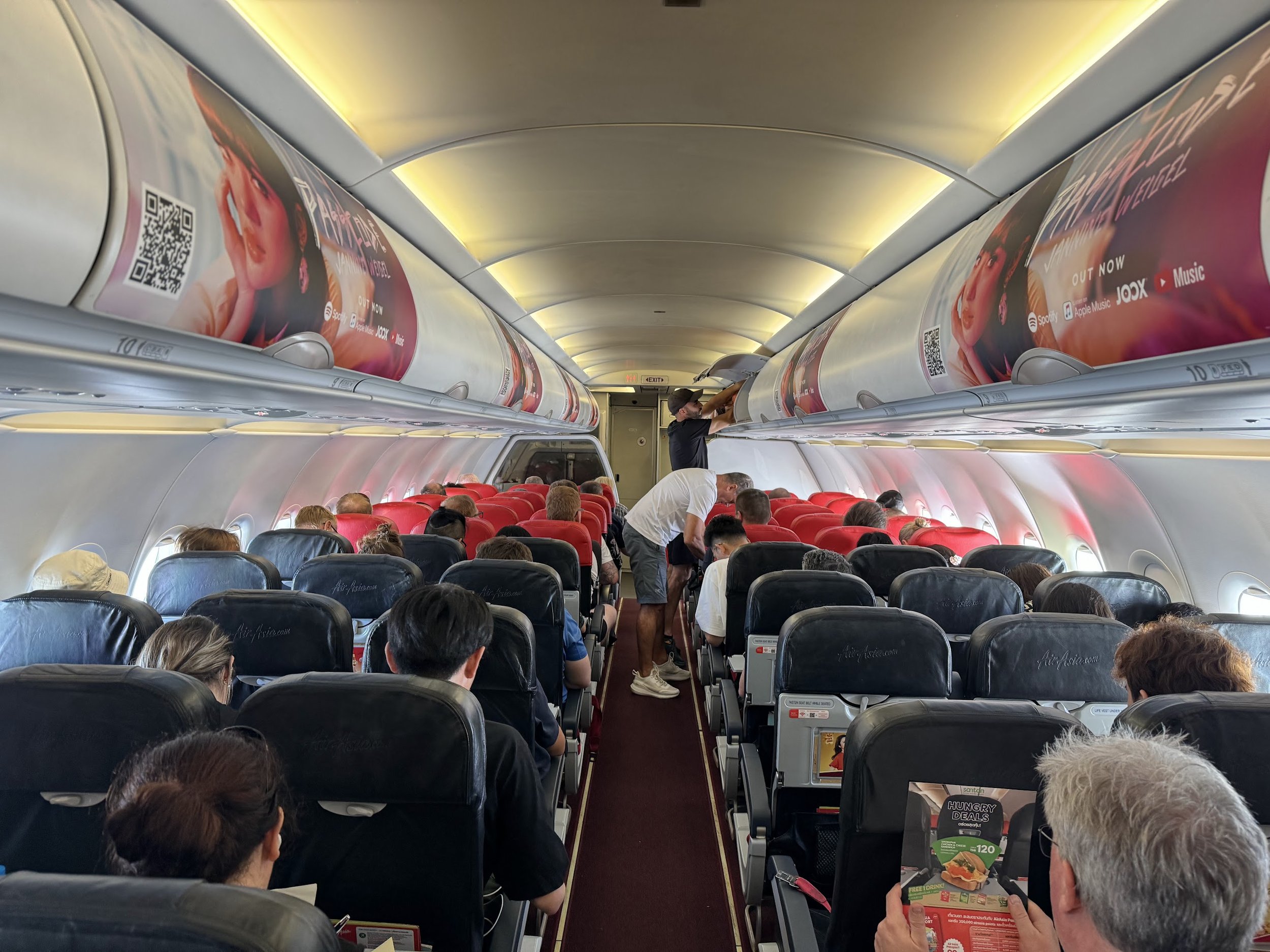
Interior shot of Thai Air Asia aircraft
While booking Air Asia flights it may seem a joined up system, the actual set-up of Air Asia within ASEAN is quite complex due to various national ownership laws. Unlike the European Union, where a Lithuanian airline could theoretically operate domestic flights within Italy, ASEAN does not permit similar activities. As such, Air Asia have subsidiaries for each country they operate in.
In some countries, such as Cambodia and formerly India, they had to set-up the domestic Air Asia as a joint venture with a local partner to get air traffic rights.
In short, it makes Air Asia a complex set-up – and likely to add a high bureaucratic-induced cost burden for the airline’s operations.


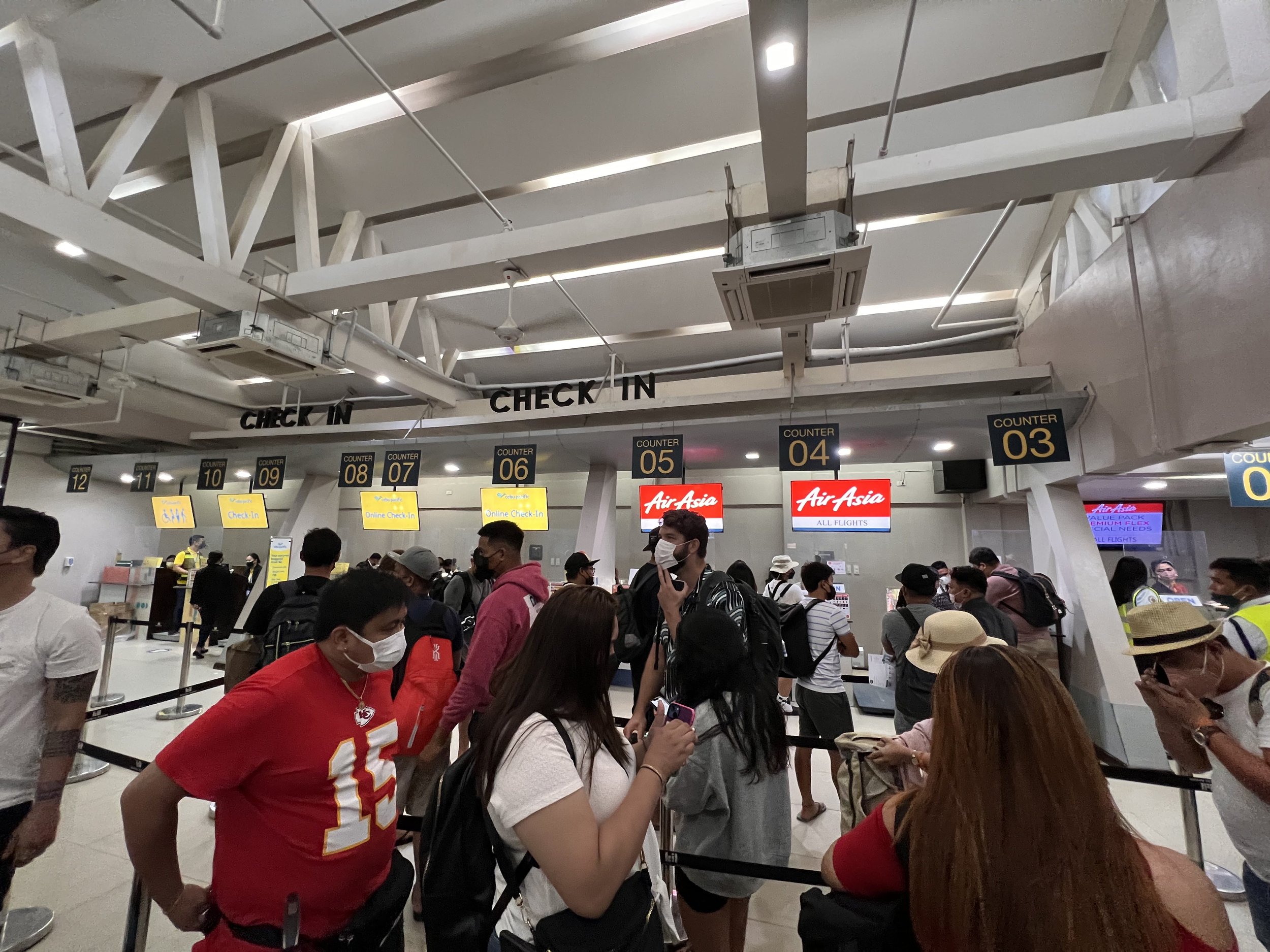
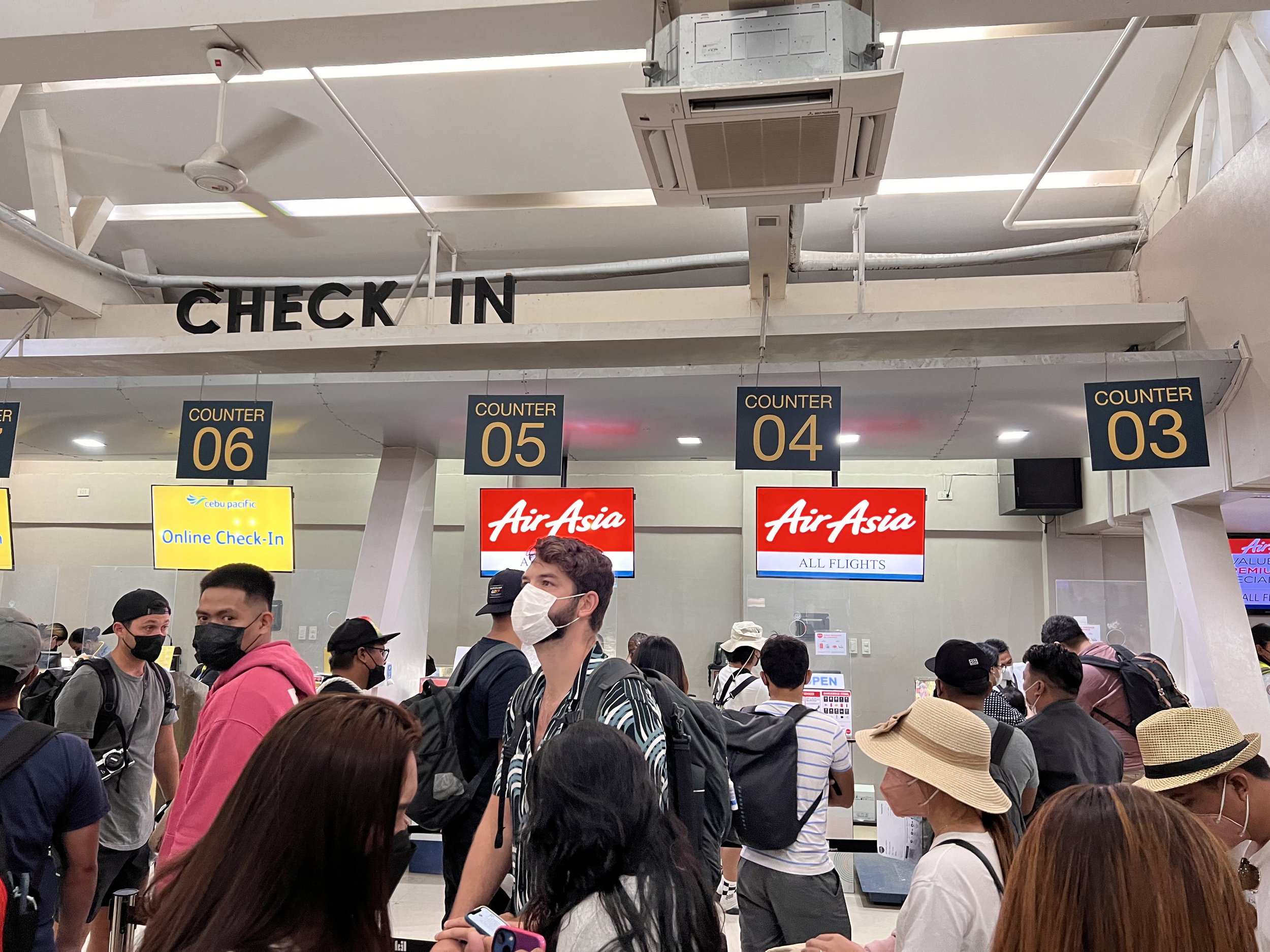
Boracay Airport is quite a simple affair but does need to scale to meet the demands of some international traffic, primarily from Korea. Check-in was quite slow, despite only being a domestic flight, and there was a priority lane for people who had the Value Pack and Premium Flex tickets as well as those with special needs.
Once through security, I recommend heading straight upstairs to relax prior to your flight. Very few people head up here and there is plenty of empty seats available during our visits, it also has the added benefit of great views across the apron and runway.

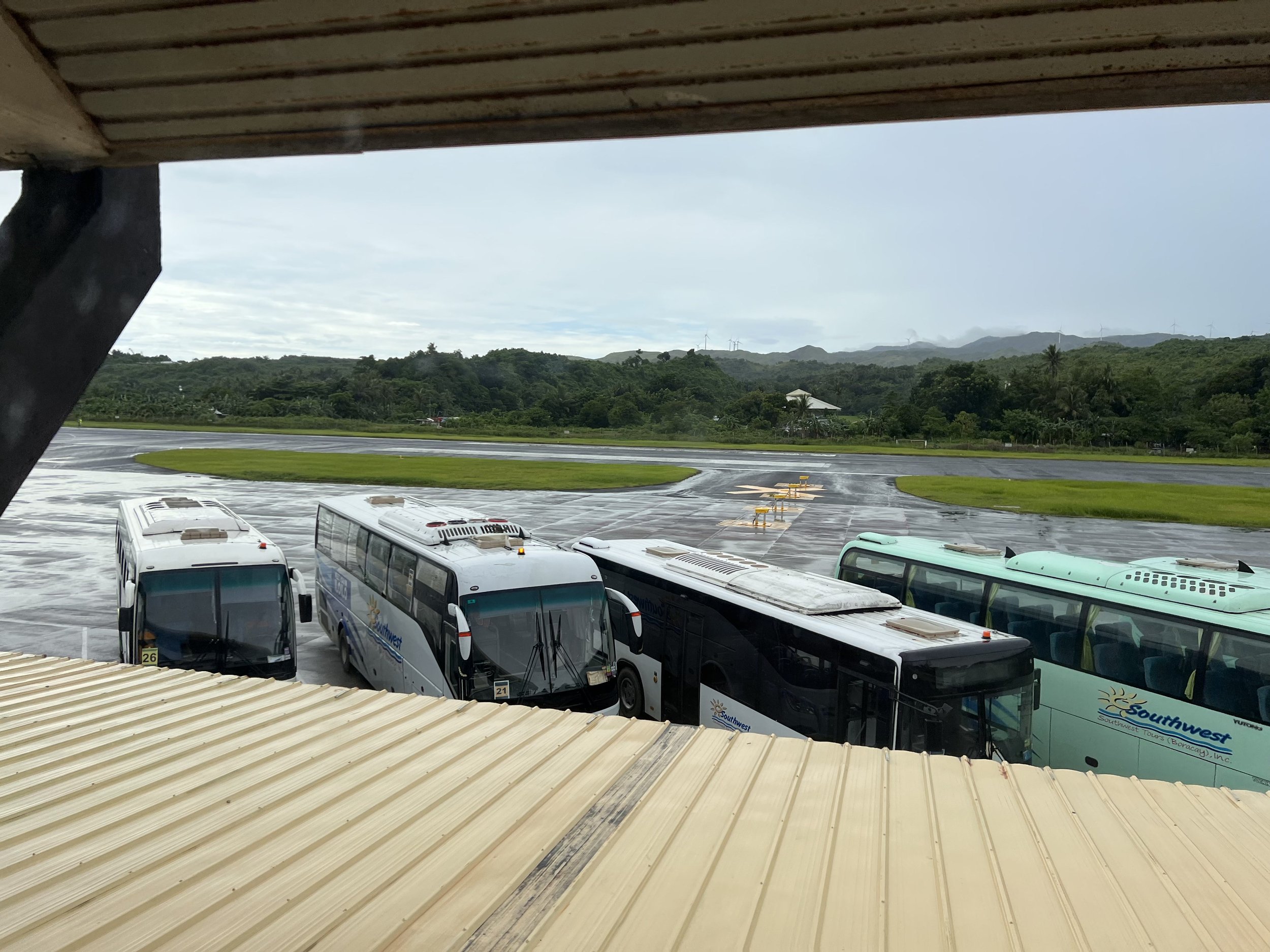
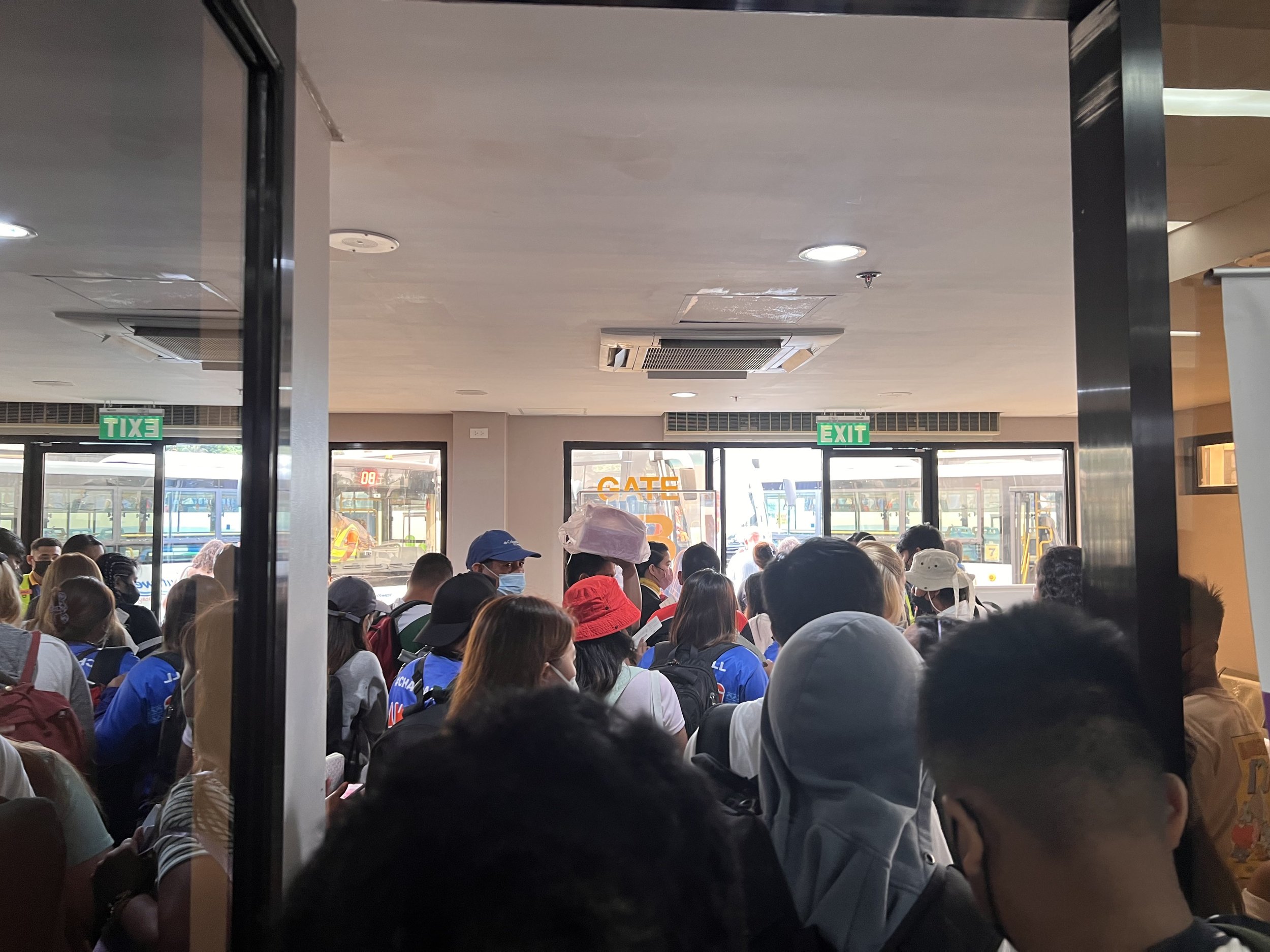
Most planes are located at another part of the airport, closer to the arrival terminal, meaning that you are bussed over in a coach. This is a far less efficient process than the usual Cobus-3000 you find in Europe as there is added time for people to fuss about finding a seat and putting their bags somewhere


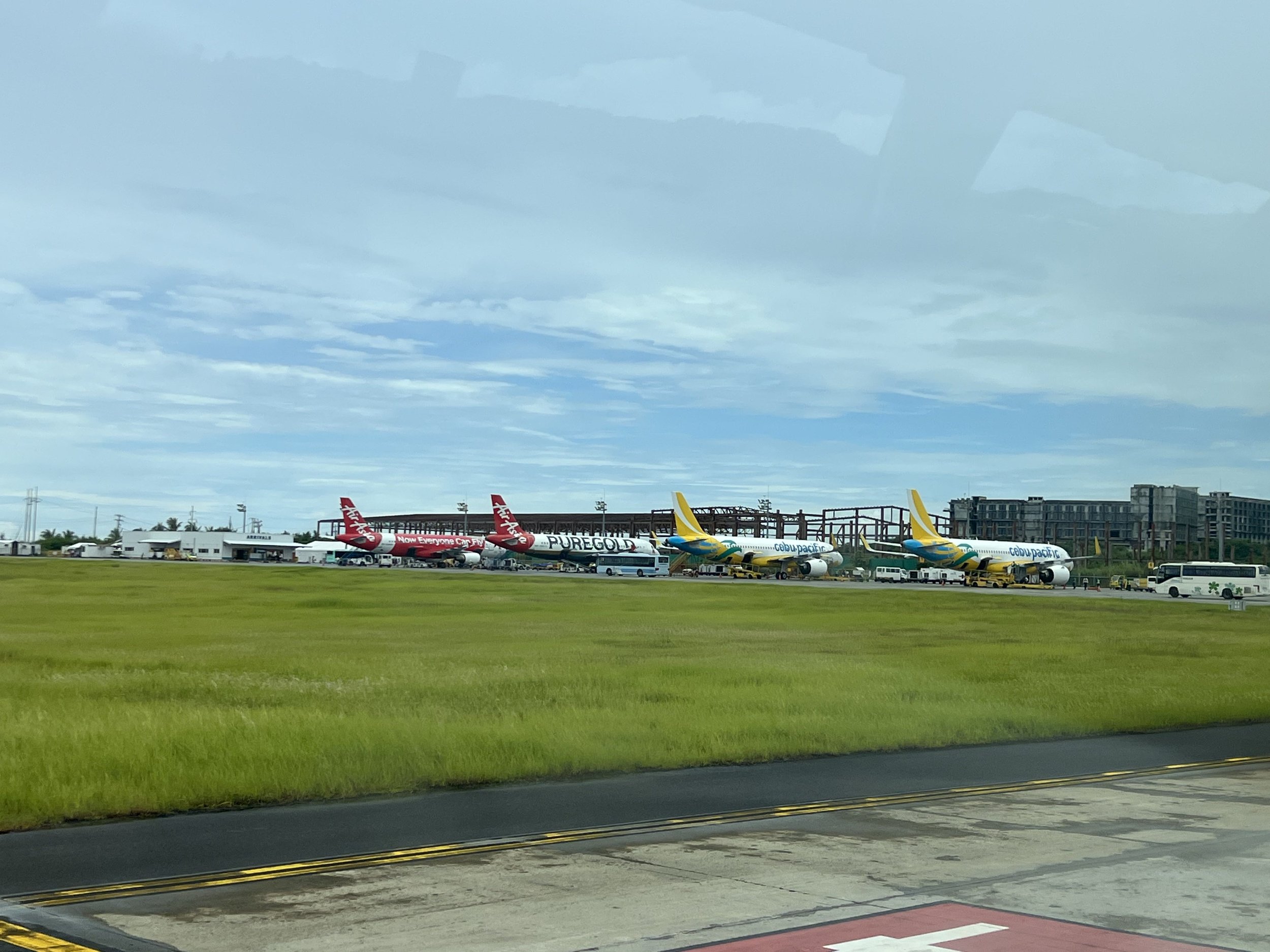
You can get some good shots of the aircraft on the way over, though. For some unknown reason, Philippine supermarket chain Puregold sponsors one the Air Asia aircraft liveries.
 CallumElsdon.com
Leave a comment